
Effective Strategies for Chronic Diabetes Management Tips
- William Muro
- 6 days ago
- 3 min read

Living with chronic diabetes requires ongoing attention and a comprehensive approach to maintain health and prevent complications. Managing this condition effectively involves a combination of lifestyle adjustments, medical care, and continuous monitoring. This article provides clear, practical strategies designed to support individuals in achieving better control over their diabetes and improving their quality of life.
Understanding Chronic Diabetes Management Tips
Chronic diabetes is a long-term condition that affects how the body processes blood sugar (glucose). Proper management is essential to avoid serious health issues such as heart disease, kidney damage, and nerve problems. The foundation of managing diabetes includes regular blood sugar monitoring, medication adherence, and lifestyle changes.
Some key chronic diabetes management tips include:
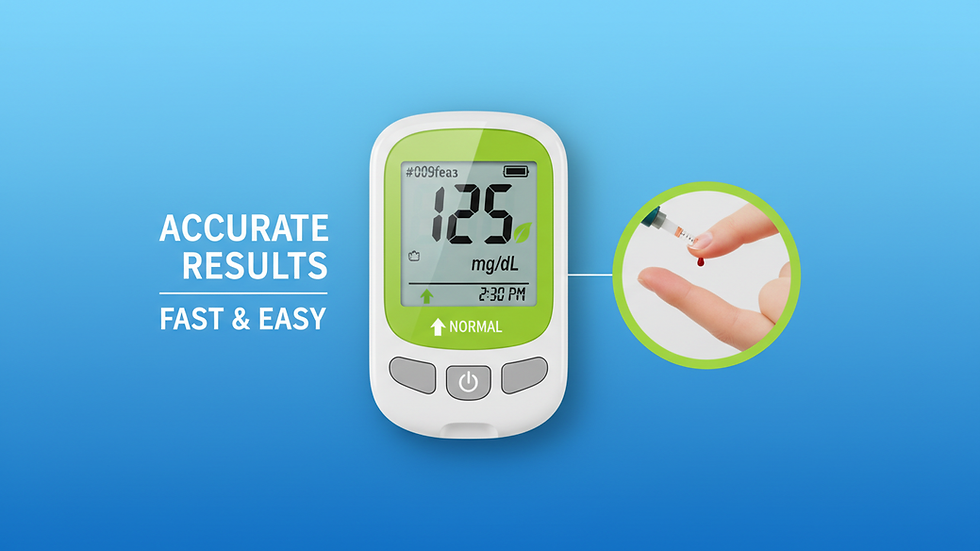
Consistent blood glucose monitoring: Regular checks help track how well blood sugar levels are controlled and guide treatment adjustments.
Balanced nutrition: Eating a diet rich in whole grains, vegetables, lean proteins, and healthy fats supports stable blood sugar.
Physical activity: Regular exercise improves insulin sensitivity and helps maintain a healthy weight.
Medication management: Taking prescribed medications as directed is crucial for controlling blood sugar.
Stress management: Reducing stress through mindfulness or relaxation techniques can positively impact blood sugar levels.
Regular medical follow-up: Ongoing care with healthcare providers ensures timely adjustments and monitoring for complications.
These strategies work best when tailored to individual needs and coordinated with healthcare professionals.
The Role of Nutrition in Diabetes Care
Nutrition plays a vital role in managing chronic diabetes. A well-planned diet helps maintain blood sugar within target ranges and supports overall health. Key nutritional strategies include:
Carbohydrate counting: Understanding how different carbs affect blood sugar helps in meal planning.
Choosing low glycemic index foods: Foods that cause a slower rise in blood sugar are preferable.
Portion control: Eating moderate portions prevents blood sugar spikes.
Regular meal timing: Consistent meal schedules help stabilize glucose levels.
Limiting added sugars and refined carbs: Reducing intake of sugary drinks, sweets, and processed foods is beneficial.
Incorporating fiber-rich foods such as vegetables, legumes, and whole grains can improve blood sugar control and promote digestive health. Consulting a registered dietitian can provide personalized guidance to meet individual preferences and medical needs.
How can I control my diabetes without medication?
For some individuals, lifestyle changes can significantly improve blood sugar control, sometimes reducing the need for medication. While medication remains essential for many, the following approaches can support diabetes management naturally:
Increased physical activity: Aim for at least 150 minutes of moderate exercise per week, including walking, swimming, or cycling.
Weight management: Losing excess weight can improve insulin sensitivity.
Stress reduction: Techniques such as yoga, meditation, or deep breathing exercises help lower stress hormones that affect blood sugar.
Adequate sleep: Poor sleep can disrupt glucose metabolism, so maintaining good sleep hygiene is important.
Hydration: Drinking enough water supports kidney function and blood sugar regulation.
It is important to work closely with healthcare providers before making any changes to medication or treatment plans. These lifestyle modifications complement medical care and contribute to long-term health.

Monitoring and Coordinated Care for Long-Term Success
Effective chronic diabetes management depends on regular monitoring and collaboration between patients and healthcare teams. This includes:
Routine blood sugar testing: Using home glucose meters or continuous glucose monitors (CGMs) to track levels.
Regular lab tests: Such as HbA1c, kidney function, and cholesterol checks to assess overall health.
Specialist consultations: Endocrinologists and diabetes educators provide expert guidance and adjust treatment as needed.
Communication with primary care providers: Ensures all aspects of health are addressed and care is coordinated.
Patient education: Understanding the condition empowers individuals to make informed decisions.
Coordinated care helps identify potential complications early and supports personalized treatment plans that adapt over time.
Embracing Technology and Support Systems
Advancements in technology have made managing chronic diabetes more accessible and effective. Tools such as smartphone apps, glucose monitors, and telemedicine services offer real-time data and remote support. Benefits include:
Improved tracking: Digital logs help identify patterns and triggers.
Enhanced communication: Easy contact with healthcare providers for advice and adjustments.
Motivation and reminders: Apps can prompt medication, exercise, and meal times.
Community support: Online groups and forums provide encouragement and shared experiences.
In addition to technology, building a strong support network of family, friends, and healthcare professionals fosters emotional well-being and adherence to management plans.
Moving Forward with Confidence and Care
Managing chronic diabetes is a lifelong journey that requires patience, knowledge, and partnership with healthcare providers. By adopting effective strategies such as balanced nutrition, regular physical activity, stress management, and coordinated medical care, individuals can maintain better control over their condition.
For those seeking guidance on how to manage chronic diabetes, professional support is available to tailor treatment plans and provide ongoing monitoring. With the right approach, living well with diabetes is achievable, promoting long-term health and quality of life.


Comments